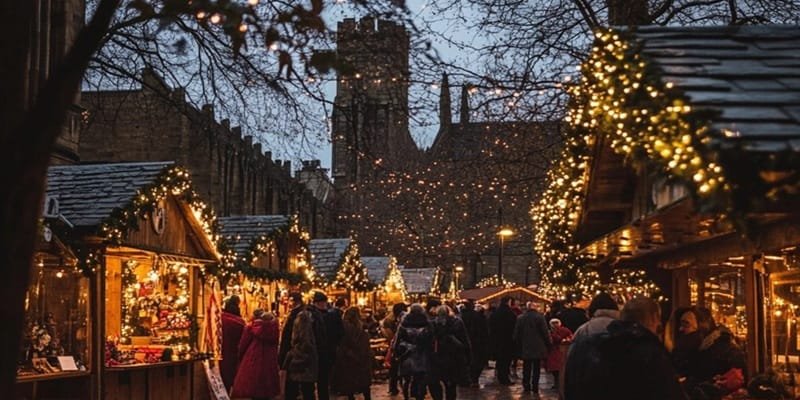
Christmas Ghost Stories: The Forgotten Festive Tradition

Christmas today is known for its decorated trees, twinkling lights, festive films, and cosy family traditions. Yet, for centuries, the holiday season used to carry a darker and more mysterious custom, the telling of ghost stories.
Long before ‘A Christmas Carol’ became the staple of festive entertainment, the long dark winter nights were filled with chilling tales of spirits, omens, and the rising dead.
So how did ghost stories become a Christmas tradition, and why did we stop telling them?
Long Winter Nights and the Thin Veil Between Two Worlds
In pre-industrial Britain and Europe, winter was a time of darkness and uncertainty. With the long nights, freezing temperatures and isolation, it created the perfect environment for storytelling and with Christmas falling close to the winter solstice, it was believed to be a period of time of the year when the boundary between the living and the dead grew thin.
Folklore across the UK suggested that spirits roamed more freely during the Christmas period. Superstitions warned people against whistling at night, venturing out alone after dark and approaching strange unexplained sounds.
Ghost stories weren’t just for entertainment, they were cautionary tales for strange unexplained happenings.
Fireside Frights
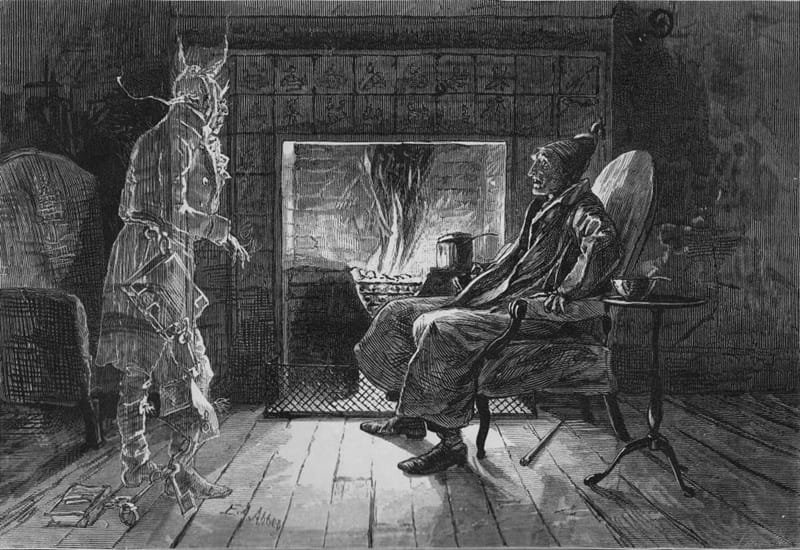
Before there was radio, television and electric lighting, families would gather around roaring fires for warmth and company. There storytelling was central to their social life and ghost stories were very popular during the festive season.
These tales were often shared by candlelight, or by the light from a roaring fire in dark room, which heightened the suspense and atmosphere.
These ghostly stories would include tales about haunted homes and cursed lands, wandering spirits who were out seeking justice, omens, and apparitions that were warnings of misfortune to come. Many of these stories were passed down for generations, although they would change slightly with each telling.
Christmas time provided the rare opportunity for extended family gatherings, this made it an ideal time to share longer and more elaborate tales.
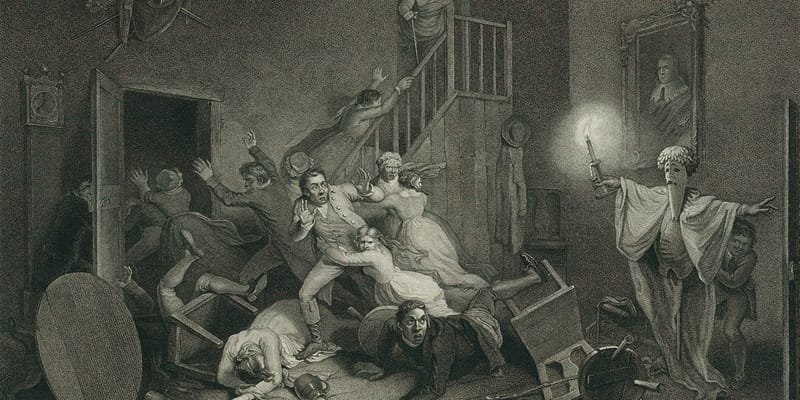
Victorian ghost story telling
Victorian Britain and the Golden Age of Christmas Ghost Stories
The Victorian era cemented ghost stories as a Christmas staple. Advances in printing made short fiction more widely accessible and magazines at the time published seasonal ghost stories for winter reading.
No one figure was more closely associated with this tradition than Charles Dickens. While ‘A Christmas Carol’ is often remembered for its moral message, it is mainly a ghost story.
Dickens himself was said to enjoy telling supernatural tales at Christmas gatherings and edited several festive publications that featured paranormal fiction.
Some other Victorian writers who embraced Christmas ghost stories include: M. R. James, Sheridan Le Fanu, Elizabeth Gaskell and Henry James.
For Victorians, Christmas ghost stories combined moral lessons, psychological tension, and supernatural dread, that perfectly matched the dark mood of winter.
Why Ghost Stories Fit Christmas So Well
At first glance, ghost stories may seem to be out of place among the sparkly lights, Christmas carols, and the mince pies, but they to do fit surprisingly well.
Christmas is a time of reflection on the past year, when we think about lost loved ones and dwell on any unresolved regrets. Ghost stories often deal with memory, guilt, redemption and the passage of time. The festive season’s focus on death and rebirth, darkness and light, mirrors the structure of many classic supernatural tales.
In a world without constant artificial light, the long dark Christmas nights made fear feel closer and more intimate. Ghost stories gave form to that fear.
The Decline of the Tradition
By the early 20th century though, Christmas ghost stories began to fade out from popular culture.
Several factors contributed to their decline. The rise of technology such as radio and television shifted entertainment away from spoken storytelling and Christmas became increasingly commercialised and family friendly, and horror fiction then found a new home in Autumn and mostly October.
Ghost stories didn’t just disappear, it was just that they were no longer tied to Christmas. Today, spooky storytelling is largely confined to October and Halloween, leaving December stripped of its darker folklore roots and becoming a lighter, friendlier, fun filled time.
A Tradition Ready to Return
In recent years though, there has been a small revival of interest in Christmas ghost stories.
Television adaptations of famous Christmas ghost stories, podcasts, and folklore blogs have rekindled some appreciation for frightening festive tales.
Reintroducing ghost stories at Christmas doesn’t mean we should abandon the joy and warmth. Instead, it reconnects us with an older, richer tradition. A one that acknowledges the mystery of a dark winter and the shadows that come with the light.
So perhaps this Christmas, after we have opened our presents and stuffed our belly’s with food, we should sit around and tell a few ghost stories once again. Who’s up for it?
I hope you have a very merry Christmas!
Has this article inspired you to visit a paranormal location? Plan and book your visit here.
About the Author: Paul Nichol